

Support
San Jose Appliance Error Code Help Center
Browse Bestech Appliance Repair support guides for appliance error codes in San Jose. Find clear help for residential and commercial brands, including kitchen, laundry, refrigeration, ice machine, and food-service equipment alerts.
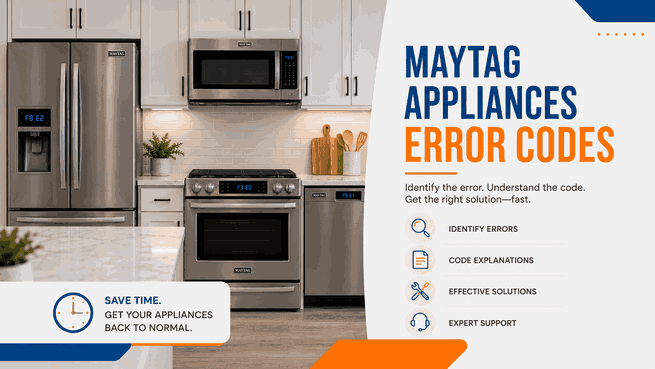
When a Maytag appliance displays an error code, the most useful question is not only what appears on the control panel. The more important question is what that alert says about the way the appliance is performing in real use. A washer may still start but fail to complete the cycle. A dishwasher may still fill but stop before draining properly. A dryer, range, or wall oven may still power on while control response, heating behavior, or internal communication becomes less predictable.
For customers in San Jose and across the Bay Area, these alerts are best understood as system warnings tied to real appliance performance, not final diagnoses. In many cases, the code does not identify one exact failed part by itself. Instead, it points to the function that is losing stability. That may involve water fill, overflow protection, sensor response, communication, defrost behavior, temperature monitoring, or overheating protection.
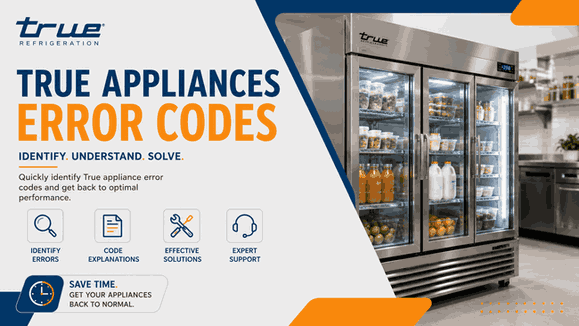
For customers in San Jose and across the Bay Area, these alerts are best understood as commercial refrigeration warnings tied to real operating performance, not final diagnoses. In many cases, the code does not identify one exact failed part by itself. Instead, it points to the function that is losing stability. That may involve temperature control, sensor feedback, condenser condition, voltage response, door status, communication, or refrigerant-related performance.
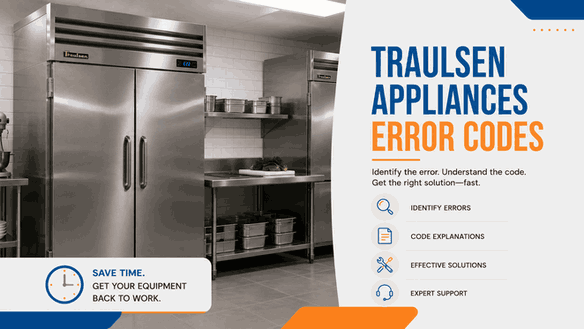
For customers in San Jose and across the Bay Area, these alerts are best understood as commercial refrigeration warnings tied to real operating performance, not final diagnoses. In many cases, the code does not identify one exact failed part by itself. Instead, it points to the system that is losing stability. That may involve cabinet temperature control, power-loss response, condenser condition, sensor feedback, defrost function, compressor runtime, or chill-cycle monitoring.
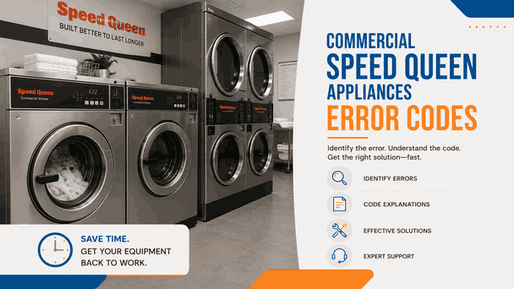
For businesses in San Jose and across the Bay Area, Speed Queen commercial error codes should be compared with what the machine is doing. A top load washer may stop during fill, drain slowly, show a payment-related warning, or lose communication. A front load washer may stay locked, fail to drain, refuse to start, or stop during spin. A commercial dryer may show control or operating faults that interrupt drying cycles.
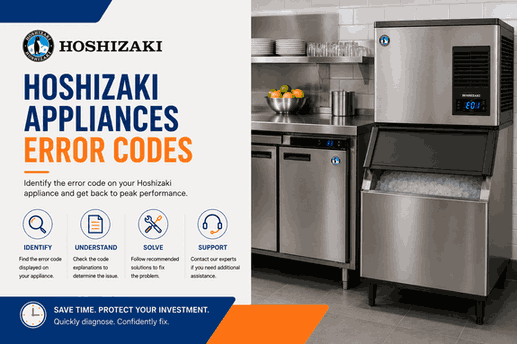
For customers in San Jose and across the Bay Area, these alerts are best understood as commercial equipment warnings tied to real operating performance, not final diagnoses. In many cases, the code does not identify one exact failed part by itself. Instead, it points to the system that is losing stability. That may involve freeze and harvest timing, water-tank movement, thermistors, voltage conditions, pressure-related protection, motor operation, or board communication.
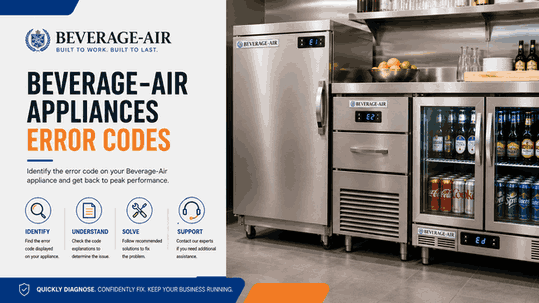
For customers in San Jose and across the Bay Area, these alerts are best understood as commercial refrigeration warnings tied to real operating performance, not final diagnoses. In many cases, the code does not identify one exact failed part by itself. Instead, it points to the system that is losing stability. That may involve cabinet temperature monitoring, door status, compressor run conditions, or temperature-sensor response.
For customers in San Jose and across the Bay Area, these alerts are best understood as commercial equipment warnings tied to real operating performance, not final diagnoses. In many cases, the code does not identify one exact failed part by itself. Instead, it points to the system that is losing stability. That may involve temperature monitoring, sensing, control communication, water supply, refrigeration safety, or shutdown protection.
For homeowners in San Jose and across the Bay Area, these alerts are best read as system warnings tied to appliance performance, not final diagnoses. In many cases, the code does not identify one exact failed part by itself. Instead, it points to the function that is losing stability. That may involve filling, draining, locking, sensing, control communication, heating, or power-related conditions.
For homeowners in San Jose and across the Bay Area, these alerts are best understood as system warnings tied to appliance performance, not final diagnoses. In many cases, the code does not identify one exact failed part by itself. Instead, it points to the function that is losing stability. That may involve temperature sensing, probe response, latch operation, keypad communication, model configuration, water-protection systems, or refrigeration zone control.
For homeowners in San Jose and across the Bay Area, these alerts are best understood as system warnings tied to appliance performance, not final diagnoses. In many cases, the code does not identify one exact failed part by itself. Instead, it points to the function that is losing stability. That may involve controls, incoming voltage, sensor communication, connection features, cooling behavior, filter status, ice maker function, or general electronic operation.
For homeowners in San Jose and across the Bay Area, these alerts are best understood as cooling-system warnings, not final diagnoses. In many cases, the code does not identify one exact failed part by itself. Instead, it points to the cooling or sensing function that is losing stability. That may involve compressor run time, thermistor response, defrost operation, sealed-system behavior, water flow, or control-related conditions.
For homeowners in San Jose and across the Bay Area, Speed Queen residential error codes are most useful when compared with real symptoms. A top load washer may stop before filling, fail to drain, pause during spin, or show a lid-related warning. A front load washer may stay locked, refuse to start, stop with water inside, or struggle with balance. A dryer may display an operation-related warning while drying performance changes.
For homeowners in San Jose and across the Bay Area, these alerts are best read as system warnings tied to appliance performance, not final diagnoses. In many cases, the code does not identify one exact failed part by itself. Instead, it points to the function that is losing stability. That may involve water supply, draining, door detection, sensing, heating, control communication, or unstable power.
For homeowners in San Jose and across the Bay Area, these alerts are best understood as system warnings tied to appliance performance, not final diagnoses. In many cases, the code does not identify one exact failed part by itself. Instead, it points to the function that is losing stability. That may involve draining, heating, lock response, leak protection, water intake, electronics, or overheating protection.
For customers in San Jose and across the Bay Area, these alerts are best understood as system warnings tied to appliance performance, not as final diagnoses. In many cases, the code does not identify one exact failed part by itself. Instead, it points to the function that is losing stability. That may involve internal electronics, cookware recognition, voltage conditions, overheating response, or temperature-sensor behavior.
For homeowners in San Jose and across the Bay Area, these alerts are best read as system warnings tied to real appliance behavior, not final diagnoses. In many cases, the code does not identify one exact failed part by itself. Instead, it points to the function that is losing stability. That may involve draining, motor operation, locking, sensing, heating, cooling, or control communication.
For homeowners in San Jose and across the Bay Area, these warnings are best understood as system-level performance alerts, not final diagnoses. In many cases, the code does not identify one exact failed part by itself. Instead, it points to the function that is no longer working the way it should. That may involve draining, water supply, leak protection, cooling stability, control response, keypad behavior, or power-related conditions.
For homeowners in San Jose and across the Bay Area, these alerts are best read as performance warnings, not final diagnoses. In many cases, the code does not identify one exact failed part. Instead, it points to the function that is no longer operating the way it should. That may involve control boards, user-interface response, draining, filling, locking, sensing, or temperature regulation.
For homeowners and business operators in San Jose and across the Bay Area, GE error codes are most helpful when they are read as operating-condition warnings. They do not always identify one exact failed component. More often, they point to the system inside the unit that is under stress. That may be water movement, cooling stability, sensor communication, control input, door-lock response, or another core operating function.
For homeowners in San Jose and across the Bay Area, these alerts are best understood as signs that one of the appliance’s key systems is losing stability. In many cases, the code does not identify one exact failed component by itself. Instead, it points to the function that is under stress. That may involve draining, filling, temperature sensing, overheating protection, door-lock response, control behavior, or power-related conditions.
For customers in San Jose and across the Bay Area, these alerts are best understood as signs that one of the appliance’s key systems is under stress. In many cases, the code does not confirm one exact failed component by itself. Instead, it points to the function that is losing reliability. That may involve water supply, drainage, heating, electronic control, internal sensing, or incoming power conditions.
For homeowners in San Jose and across the Bay Area, these alerts are most useful when they are read as performance warnings. In many cases, the code does not identify one exact failed part on its own. Instead, it helps narrow the issue to the appliance function that is no longer operating the way it should. That may involve filling, draining, door or lid response, temperature control, keypad behavior, power interruption, or door-lock operation.
For homeowners in San Jose and across the Bay Area, these alerts are best understood as signs that one of the appliance’s core systems is under stress. In many cases, the code does not confirm one exact failed part by itself. Instead, it helps narrow the issue to a working pattern such as draining, filling, heating, sensing, fan operation, overheating, or internal communication.
For homeowners in San Jose and across the Bay Area, these alerts are best understood as signs that one of the appliance’s working systems is no longer stable. In many cases, the code does not identify one exact failed part by itself. Instead, it points to the area where operating reliability is starting to break down. That may involve water handling, sensing, control communication, door-lock response, temperature regulation, cooling support, or incoming power conditions.
For homeowners in San Jose and across the Bay Area, Cove error codes are most useful when they are tied to what the dishwasher is actually doing. The code itself does not always identify one exact failed part. More often, it points to the function inside the machine that is losing reliability. That may involve the wash-pump drive system, leak detection, water fill, flow tracking, pressure sensing, diverter movement, draining, communication, or temperature response.
For customers in San Jose and across the Bay Area, Bosch error codes are most useful when they are tied to actual operating behavior. They do not always name one exact failed part. More often, they point to the appliance system that is under stress. That may involve water entry, draining, heating, voltage conditions, sensors, controls, or internal electronics.
For customers in San Jose and across the Bay Area, these codes are most useful when they are understood as operating warnings. They do not always identify one exact failed part. More often, they point to the system inside the appliance that is starting to lose consistency. That may involve water intake, heating, sensor response, board communication, voltage conditions, or temperature stability.
For homeowners in San Jose and across the Bay Area, Wolf error codes are most useful when compared with real symptoms. A range may heat unevenly, an induction surface may shut down, a wall oven may stop responding, a steam oven may interrupt a cycle, or a warming drawer may fail to hold steady heat. When the same alert returns, it often means the appliance needs closer attention.